
Dogs can safely eat many human foods, such as cooked chicken, rice, pumpkin, and blueberries — but some foods like chocolate, grapes, and onions can be extremely dangerous. Knowing which foods are safe helps you protect your dog’s health, prevent vet emergencies, and encourage healthy eating habits.
In this guide on safe foods for dogs, you’ll learn which foods are healthy, which ones to avoid, and how much human food can be safely added to your dog’s diet.
Expert Insight on Feeding Dogs Safely
This guide is written and reviewed with pet health best practices in mind. As a Pet Care Expert, I regularly research veterinary nutrition resources and dog-feeding guidelines to help dog owners make safer food choices.
While many human foods are safe for dogs in moderation, improper portions or preparation can lead to digestive issues or health risks. That’s why this guide focuses on safety, balance, and real-world feeding considerations rather than trends or myths.
What Makes a Food ‘Safe’ for Dogs?
Before sharing food from your plate, it’s important to know what makes a food safe for your dog. Not every human food is suitable, and giving the wrong items can cause health problems.
Here’s what to consider:
According to commonly referenced veterinary nutrition guidelines, food safety for dogs depends not only on ingredients but also on preparation method, portion size, and individual dog sensitivity. Even foods considered safe can cause problems if fed incorrectly or too often.
Easy to Digest
Dogs have a shorter and more sensitive digestive system than humans. Foods that are easily broken down help prevent stomach upset, bloating, or diarrhea. Soft-cooked vegetables, plain rice, and lean meats are excellent examples.
“Avoid tough, fatty, or heavily processed foods, as these are difficult for dogs to digest.”
Free from Toxic Ingredients
Some human foods are toxic to dogs, even in small amounts. Ingredients like garlic, onions, grapes, raisins, chocolate, alcohol, and xylitol can cause serious illness or even be fatal. Always check before offering a new treat.
“Always double-check ingredients before sharing any new food with your dog.”
Nutritious for Canine Health
Dogs require a balanced diet that includes protein, healthy fats, vitamins, and minerals. While some human foods like eggs, salmon, or pumpkin are highly nutritious, others provide little benefit and can disrupt this balance.
Cooked and Plain
Avoid feeding dogs foods that are heavily seasoned, fried, or contain salt, spices, butter, or oils. Plain, cooked foods are safest and gentlest on their stomachs.
Avoid spicy foods completely — dogs cannot tolerate spices the way humans do.
When you try a new food, start with a small amount and see if you have any reactions, such as throwing up, having diarrhea, itching, or feeling tired. This helps identify allergies or sensitivities early.
Safe Proteins for Dogs: The Most Recommended
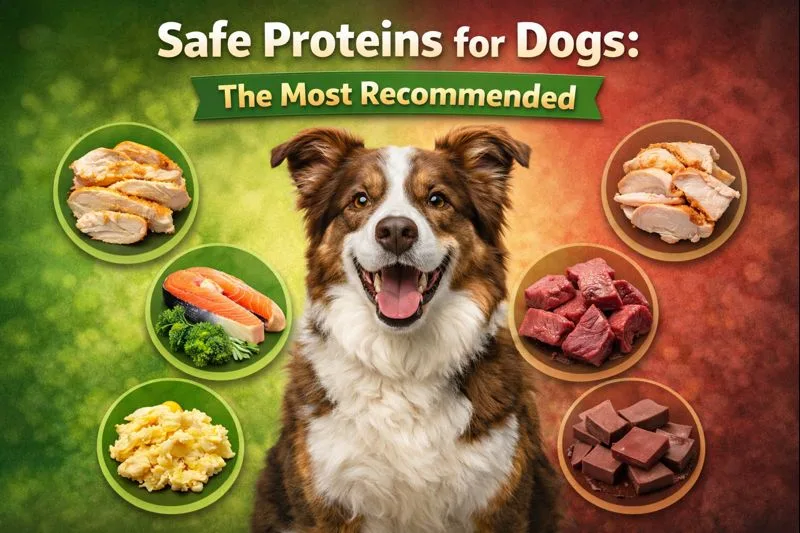
Protein is an important part of a dog’s diet because it helps muscles grow, gives them energy, and keeps them healthy. When cooked and served plain, many common household proteins are safe for dogs. These are the best choices:
1. Chicken that has been cooked
Chicken is low in fat, full of nutrients, and easy to digest. Always:
Take out all the bones
Serve without sauces or spices.
2. Turkey
Turkey is a great low-fat protein, especially for dogs that are overweight. Advice:
Serve plain and cooked
Don’t eat turkey skin because it has too much fat, which can make digestion hard.
3. Salmon
Salmon is full of omega-3 fatty acids, which are good for your skin and coat. Important: Always cook salmon all the way through to kill parasites.
Don’t eat raw salmon.
4. Eggs
Eggs are a great source of protein, vitamins, and amino acids that your body needs. Best ways to do things:
Serve either boiled or scrambled
Stay away from raw eggs to avoid getting sick from bacteria.
5. Lean beef
Lean beef is a good source of iron and amino acids, which are important for building strong muscles and getting energy. Rules:
Cook all the way through
Before serving, cut off any extra fat.
When cooked, plain, and without any extras, these proteins help keep muscles strong, skin healthy, and overall health. To give your dog a balanced diet, switch up the safe proteins you give them each week. You can help your dog’s long-term health and happiness by giving them a variety of safe proteins. This will also make mealtimes more fun.
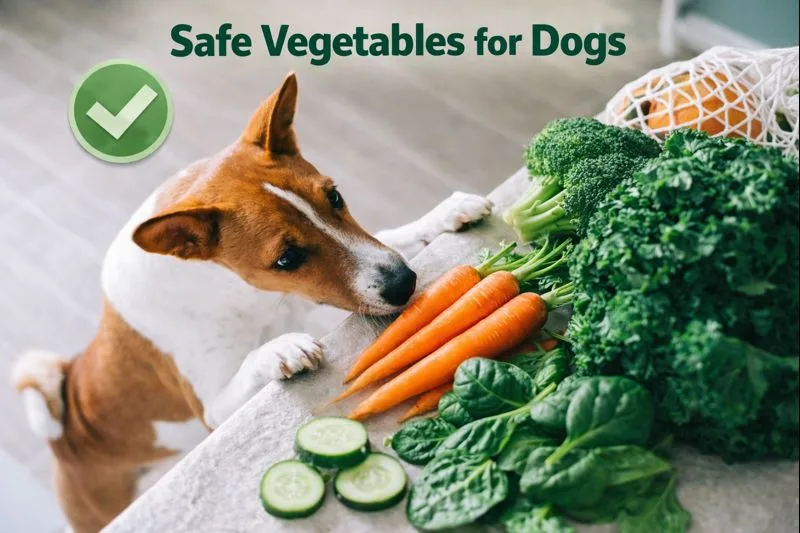
Safe Vegetables for Dogs
Many common vegetables in your kitchen are healthy, low-calorie, and safe for dogs. Including them in your dog’s diet can provide essential nutrients, fiber, and support overall health. For most vegetables, 1–2 tablespoons per 10 pounds of body weight is a safe serving size. Here are some of the best options to give your dogs:
1. Carrots
Carrots are low in calories and high in fiber, making them a perfect crunchy snack. They also promote dental health by helping to naturally clean teeth.
Green Beans
Green beans are full of vitamins and minerals, and they are great for keeping your weight in check. Serve them without salt, sauces, or other seasonings.
3. Spinach
Spinach is high in iron, vitamins, and antioxidants, but you shouldn’t eat it too often because it has a lot of oxalic acid, which can make it harder for your body to absorb calcium.
4. Broccoli
Broccoli is good for you and has a lot of fiber, but you shouldn’t give it to your dog too much because it can cause gas or an upset stomach.
Adding these safe vegetables to your dog’s diet gives them important vitamins, minerals, and fiber that help them stay healthy. Always serve them plain, whether they’re cooked or raw, and only in small amounts to avoid stomach problems. You can improve your dog’s nutrition, help them stay at a healthy weight, and keep mealtime interesting by giving them a variety of vegetables that are safe for dogs.
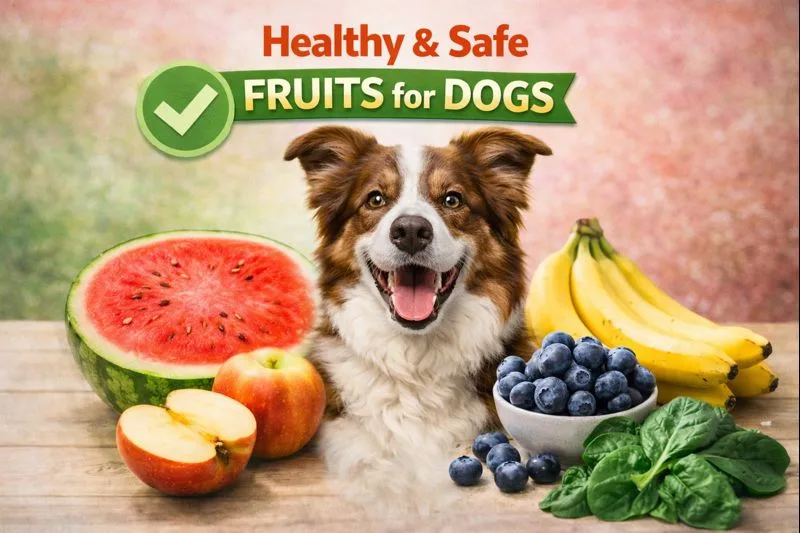
Safe Fruits for Dogs
Many fruits are not only delicious and refreshing but also packed with vitamins, antioxidants, and fiber that benefit your dog’s health. Here are some of the best options.
Apples (No Seeds)
Apples are a healthy snack because they are high in fiber and vitamins. Always cut it up and take out the seeds because they have cyanide in them, which is bad for dogs.
2. Blueberries
Blueberries are full of antioxidants and make great small training treats or snacks.
3. Watermelon without seeds
Dogs love watermelon, which is a refreshing summer snack. Before serving, make sure to take out the seeds and rind.
4. Bananas
Bananas are high in potassium and vitamins, but also contain sugar, so offer them in small, controlled portions to avoid weight gain. Limit bananas to 2–3 small slices per serving because of their natural sugar content.
Including these safe fruits in your dog’s diet provides natural vitamins, antioxidants, and hydration to support overall health. Always serve fruits in moderation, remove seeds or rinds, and cut into manageable pieces to prevent choking. By offering a variety of dog-friendly fruits, you can add tasty, nutritious treats that your furry friend will love.
Safe Grains & Carbs for Dogs
Grains and carbohydrates can be an important part of your dog’s diet, providing energy, fiber, and digestive support. Start with 1–2 tablespoons of cooked grains and increase gradually based on your dog’s size. These options are easy to digest and often recommended for dogs with sensitive stomachs:
1. Rice
White rice is gentle on the stomach and perfect for digestive issues. Combine with cooked chicken for a simple, soothing meal.
2. Oatmeal
Oatmeal is a healthy source of fiber for dogs with sensitive digestion. Serve plain, without sugar, milk, or additives.
3. Sweet Potatoes
Sweet potatoes are healthy, high in fiber, and good for your digestion. Always cook sweet potatoes all the way through, and don’t give your dog raw slices because they are hard for them to digest.
Adding these safe grains and carbs to your dog’s food gives them energy and important nutrients that are easy to digest. Always give them plain, cooked food in small amounts so they don’t get sick. You can help your dog’s digestive health, energy levels, and overall health by giving them a variety of dog-friendly grains.
Safe Treats Dogs Can Eat at Home
Giving your dog healthy treats is a great way to reward good behavior and make your bond stronger without hurting their health. These are some safe, everyday choices:
- Plain Popcorn – Air-popped and without butter or salt. Don’t eat unpopped kernels because they can hurt your teeth or make you choke.
- Peanut butter: only kinds that don’t have xylitol in them are safe.
- Plain yogurt is good for your gut health because it has probiotics in it.
- Cucumbers are crunchy, low in calories, and refreshing.
Pro Tip: Instead of giving your dog fatty table scraps, give them carrot sticks or apple slices while you cook. This keeps them happy and encourages them to eat healthy foods.
Human Foods Dogs Should Avoid
Even though many human foods are safe for dogs in small amounts, some can be very bad for them, even in small amounts. Giving your dog the wrong foods can make them very sick, hurt their organs, or even kill them. You need to know which foods to keep away from.
Sweet chocolate
Contains theobromine, which is bad for dogs and can make them throw up, have diarrhea, have a fast heart rate, or have seizures. Because it has more theobromine, dark chocolate is much more poisonous than milk chocolate.
Raisins and grapes
Even small amounts can make a dog’s kidneys stop working all of a sudden.
Garlic and onions
It can hurt red blood cells, which can cause anemia and weakness.
Avocado
Has persin in it, which is bad for dogs and can make them throw up or have diarrhea.
Caffeine
Increases heart rate and can cause restlessness, tremors, or even death.
Even small amounts of alcohol can be dangerous and make you vomit, have trouble breathing, or go into a coma.
Dough that isn’t cooked
Yeast dough expands in the stomach and makes alcohol, which can be deadly or harmful.
Xylitol
It can be very toxic and cause liver failure. It is in sugar-free gum, candies, and some peanut butter.
Dogs are naturally curious and often beg for human food, but giving them these harmful things can have bad effects. Always read the ingredients before giving your dog a snack. Choose safe treats and dog-friendly foods to keep your furry friend happy and healthy.
How Much Human Food Is Actually Safe? (Portion Guide)
| Food | Safe Amount (Small Dog) | How Often |
| Chicken | 1–2 tbsp | 2–3x/week |
| Rice | 1 tbsp | Occasional |
| Carrots | Few slices | Daily |
| Banana | 1-2 slices | 1–2x/week |
Portion size plays a major role in food safety. From pet nutrition research and veterinary feeding recommendations, excessive amounts of even safe foods can lead to obesity, pancreatitis, or digestive upset in dogs. The guidelines below are based on commonly accepted feeding principles used by pet care professionals. It is important to give them the right amounts of safe human foods to keep their diet balanced and avoid health problems.
The 90/10 Rule
Try to give your dog 90% dog food and 10% human food or treats. This makes sure that your dog gets all the nutrients it needs.
Give Small Portions
To keep your dog’s daily calorie intake balanced, you should only give them very small amounts of human food.
Slowly introduce
When you try new foods, start with small amounts once or twice a week. Check how your dog reacts before giving them more food.
Watch for Allergies or Sensitivities
Some dogs may develop adverse reactions. Look out for:
- Itching or scratching
- Vomiting or diarrhea
- Red or irritated skin
- Ear infections
You can safely add human foods to your dog’s diet by following these rules. This will keep mealtime fun and protect their health.
Healthy food choices for dogs that you make at home
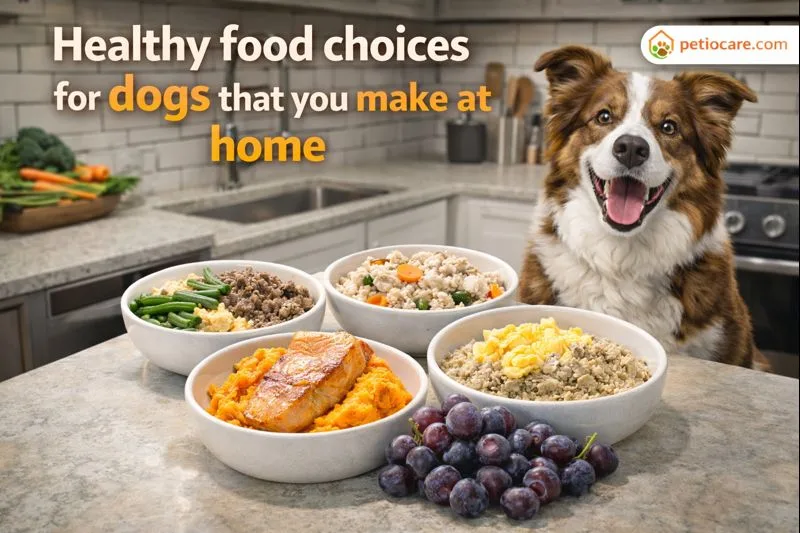
Making healthy meals for your dog at home is a great way to make sure they get fresh, safe, and balanced nutrition. These are some simple things you can make at home:
Don’t add salt, spices, onion, garlic, or other seasonings to dog food you make yourself.
1. Chicken & Rice Bowl
- Boiled chicken (boneless, skinless)
- White rice
- A few chopped carrots
A gentle, easy-to-digest meal ideal for sensitive stomachs.
2. Salmon & Sweet Potato
- Baked salmon (skin removed)
- Mashed sweet potatoes
Packed with omega-3s and fiber for a healthy coat and digestion.
3. Beef & Veggie Mix
- Lean beef (cooked thoroughly)
- Green beans
- Peas (avoid canned peas with salt; use fresh or frozen instead)
A protein-rich, fiber-filled meal to support muscle and overall health.
4. Egg & Oatmeal Breakfast
- Scrambled eggs (cooked, no seasoning)
- Plain cooked oatmeal
Provides high-quality protein and fiber, perfect for a morning boost.
Pro Tip:
Freeze leftovers in small containers to save time, maintain portion control, and keep them fresh.
Different Ways To Introduce New Foods Safely
There are steps to follow every time you add a new food to your dog’s diet. These are:
1. Start Small
Begin with 1–2 teaspoons.
2. Observe for 24 Hours
Look for stomach upset.
3. Add Slowly Over a Week
Mix a small portion into regular meals.
4. Avoid Multiple New Foods at Once
Introduce only one new ingredient per week—for example, try blueberries this week and carrots next week.
When to Contact a Vet Immediately
Understanding when you should get veterinary services may be a matter of life and death for your dog. It is very important to get in contact with your veterinarian immediately when your dog has one of the following symptoms:
- Vomits repeatedly
- Has severe diarrhea
- Becomes weak or lethargic
- Shows swelling on the face
- Has difficulty breathing
- Staggers or appears dizzy
Emergency foods to avoid:
Some foods are highly toxic and can trigger serious emergencies, including:
- Chocolate
- Grapes
- Garlic
- Sugar-free gum
- Xylitol
Prompt safeguards of your dog’s health will help avoid risks of irreversible challenges to your dog’s health. Obtain emergency contacts and your vet’s contact information.
This content is intended for general informational purposes and does not replace professional veterinary advice. If your dog shows signs of illness after eating any food, always consult a licensed veterinarian for proper diagnosis and treatment.
Conclusion
Dogs can easily digest many human foods that are safe for dogs to eat, such as lean meats, rice, cooked chicken, vegetables, and fruits. Though that said, even those need to be given to dogs in moderation, prepared plainly, and must not be among the toxic foods for dogs.
No, it is not safe on a regular meal, but dogs can eat cat food occasionally in very small amounts. Cat food is too high in fat and protein for dogs and may cause stomach upset or long-term health issues.
No, Cat food is not nutritionally safe for dogs because it lacks the proper balance dogs need. Regular consumption can lead to obesity, digestive problems, and pancreatitis in dogs.
Dog food is technically safe to eat in small amounts, but not recommended for humans. It does not meet human nutritional standards and may contain ingredients unsafe for long-term human consumption.